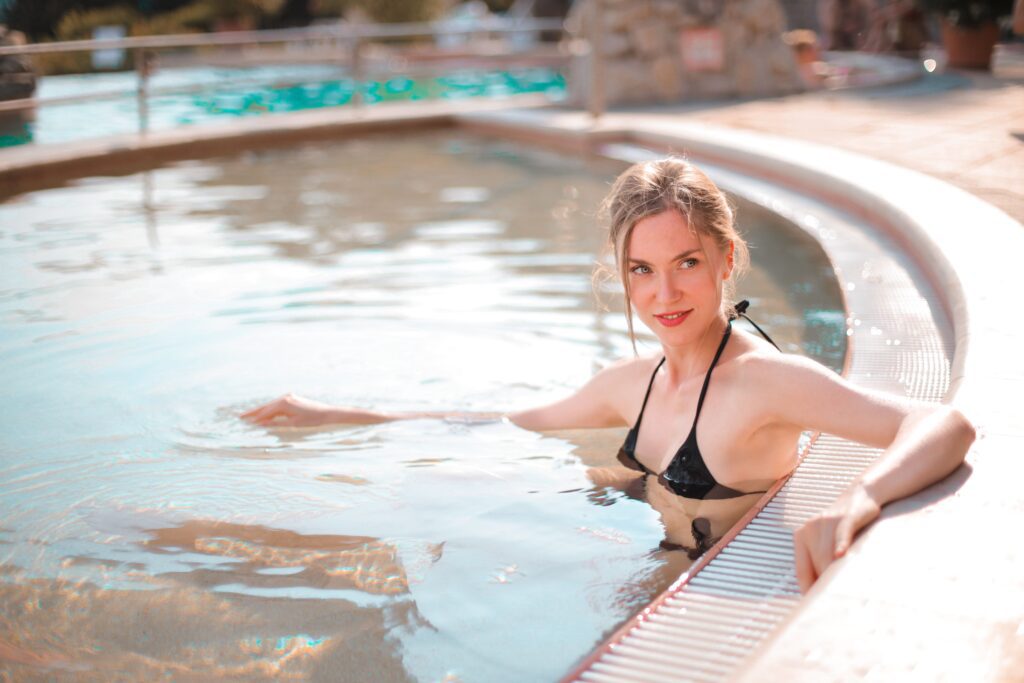
Krinides Mud Baths — the Baths of Alexander the Great
About 17 km northwest of Kavala, at the foot of the hills and right next to the ruins of Philippi, lies one of the more unusual places in the area — the therapeutic mud baths of Krinides. According to local tradition, it was here, by the springs of the Angitis River, that Alexander the Great treated the wounds of his beloved horse Bucephalus with the local healing clay — which is why the site is also known as the “Baths of Alexander the Great.”
From an Ottoman-era hammam to one of Europe’s oldest baths
The healing properties of the clay here have been known by oral tradition for centuries, and in the late 19th century a Turkish hammam was built on the site. Today the baths hold official recognition for the therapeutic properties of both the clay and the water and are considered among the oldest working mud-therapy baths in Europe.
What a visit involves
The treatment center sits about 3 km from Krinides village, next to the archaeological site of Philippi and the prehistoric settlement of Dikili Tash. A typical session involves immersion in, or application of, the mineral-rich clay, followed by hydrotherapy with thermal water — recommended for joint and rheumatic complaints, skin conditions, and general relaxation. A steam hammam is also available on site.
Practical Information
The baths operate during the warm season, usually from June into the autumn. Check the days, hours and conditions in advance. The site combines easily with a visit to the nearby ancient city of Philippi.